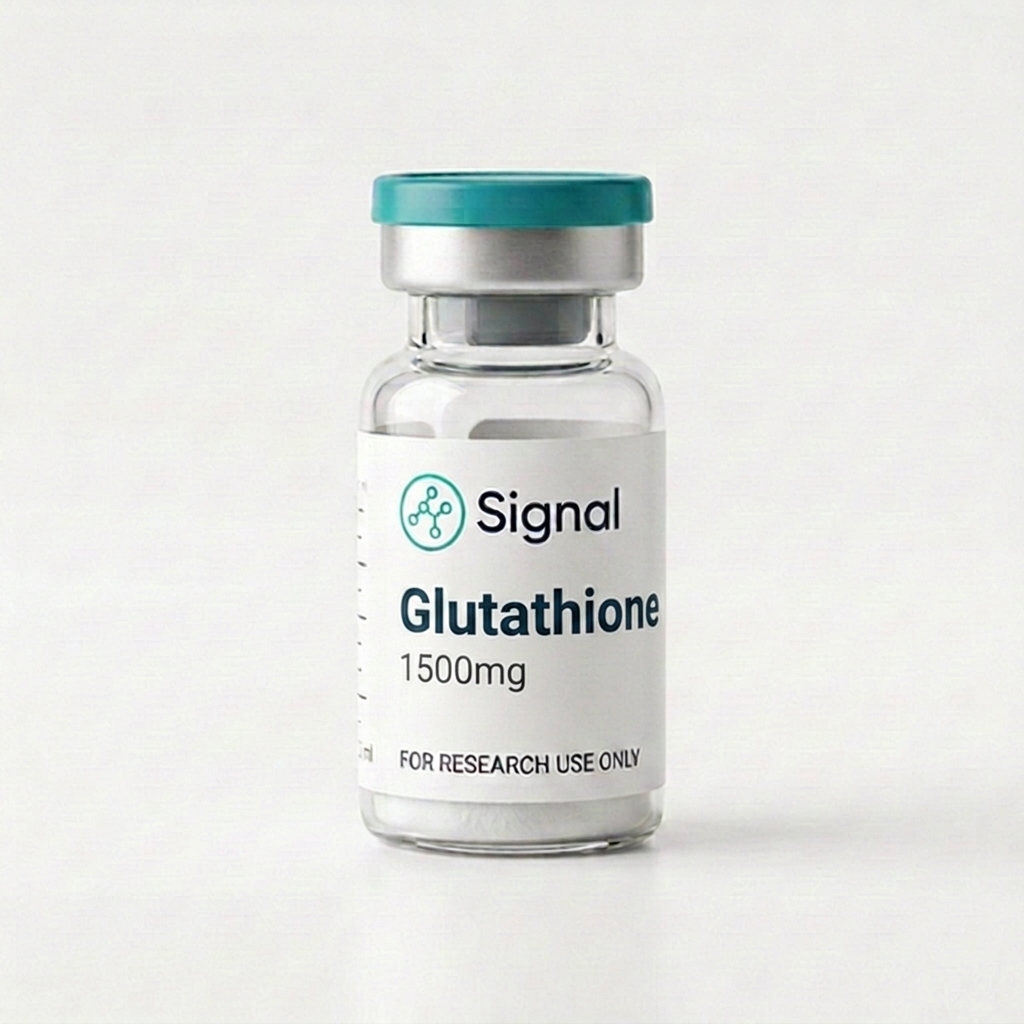
Glutathione
1500mgVolume Pricing
Per unit — bulk discounts applied automaticallyWholesale pricing available for approved accounts
About Glutathione
Glutathione (GSH) is a tripeptide composed of L-glutamate, L-cysteine, and glycine — the most abundant endogenous antioxidant in human cells. This high-concentration 1500mg lyophilized formulation is designed for scaled research protocols. Glutathione plays a central role in cellular redox homeostasis, phase II detoxification, immune regulation, and protection against oxidative stress. Extensively studied for neuroprotection, hepatoprotection, skin depigmentation, and immune function modulation.
Frequently Asked Questions
All Signal peptides undergo rigorous third-party testing and are guaranteed ≥99% purity. Every batch comes with a Certificate of Analysis (COA) verified through AuthentiChain's blockchain verification system.
Orders placed before 12PM EST ship same-day via cold chain logistics. Products are shipped in insulated packaging with dry ice to maintain temperature integrity. Standard delivery is 1–3 business days.
Approved accounts have access to flexible payment terms including NET 30, wire transfer, and credit card. Volume-based pricing is automatically applied at checkout based on your order quantity.
Absolutely. Contact your dedicated account manager or reach out to info@signalpeps.com with the product name and lot number. COAs are also available digitally through our AuthentiChain verification badge on each product page.
Published Study Findings on Glutathione
Detailed Research & Citations
In-depth findings from peer-reviewed preclinical and clinical studies
Glutathione (GSH) is a tripeptide composed of L-glutamate, L-cysteine, and glycine — the most abundant endogenous antioxidant in human cells. It plays a central role in cellular redox homeostasis, phase II detoxification, immune regulation, and protection against oxidative stress across virtually every organ system.
Master Cellular Antioxidant
Glutathione is the most concentrated intracellular antioxidant (1–10 mM), directly neutralizing reactive oxygen species (ROS) and reactive nitrogen species (RNS). It regenerates other antioxidants including vitamins C and E, serving as the central node of the cellular antioxidant network.
Molecular Aspects of Medicine (2009)Redox Signaling & Homeostasis
The GSH/GSSG ratio serves as the primary cellular redox buffer. Glutathione modulates redox-sensitive transcription factors (NF-κB, Nrf2, AP-1) and regulates protein function through S-glutathionylation — a reversible post-translational modification critical for cell signaling.
Molecular Aspects of Medicine (2009)Phase II Hepatic Detoxification
Glutathione S-transferases (GSTs) conjugate glutathione to electrophilic xenobiotics, drugs, and environmental toxins, rendering them water-soluble for excretion. GSH is essential for the detoxification of acetaminophen, heavy metals, and carcinogenic compounds.
Annual Review of Biochemistry (1983)Immune Cell Activation & Proliferation
Intracellular glutathione levels directly regulate T-lymphocyte proliferation, dendritic cell antigen presentation, and NK cell cytotoxicity. GSH depletion impairs Th1 cytokine production and shifts the immune response toward a Th2-dominant profile.
The Journals of Gerontology: Series A (2023)Anti-Inflammatory Modulation
Glutathione suppresses NF-κB activation and reduces production of pro-inflammatory cytokines (TNF-α, IL-1β, IL-6). Clinical studies in elderly subjects showed that glutathione supplementation enhanced immune markers and reduced oxidative stress biomarkers.
The Journals of Gerontology: Series A (2023)Melanogenesis Inhibition
Glutathione inhibits tyrosinase activity and shifts melanin synthesis from eumelanin (dark) to pheomelanin (light), resulting in skin brightening effects. Clinical studies have demonstrated measurable improvements in skin elasticity, wrinkles, and melanin index with GSH supplementation.
Clinical, Cosmetic and Investigational Dermatology (2017)Neuronal Oxidative Defense
GSH depletion in the substantia nigra is one of the earliest biochemical changes observed in Parkinson's disease research. Glutathione protects neurons against mitochondrial complex I dysfunction, excitotoxicity, and oxidative damage implicated in neurodegeneration.
Molecular Aspects of Medicine (2009)Hepatoprotection
Glutathione is the primary defense against hepatotoxicity from drugs, alcohol, and environmental toxins. IV glutathione has been studied for its protective effects in non-alcoholic fatty liver disease (NAFLD) and drug-induced liver injury, showing improvements in ALT and oxidative stress markers.
Annual Review of Biochemistry (1983)View All 4 Sources
- Glutathione: Overview of its Protective Roles, Measurement, and Biosynthesis
- Glutathione and its Role in Detoxification
- Supplementing Glycine and N-Acetylcysteine (GlyNAC) in Older Adults Improves Glutathione Deficiency, Oxidative Stress, Mitochondrial Dysfunction, Inflammation, and Physical Function
- Glutathione and its Antiaging and Antimelanogenic Effects
All findings above are sourced from peer-reviewed journals for educational reference. This product is for research purposes only — not for human consumption. Preclinical results may not translate to human outcomes.
Chemical Identity
How to Order
Three simple steps to access premium research peptides
Apply for an Account
Submit a quick application with your business details. Takes less than 2 minutes.
Get Approved
Our team reviews applications within 1–2 business days. You'll receive an email once approved.
Place Your Order
Browse the catalog, select quantities, and checkout. Volume pricing applies automatically.
All products are for research and laboratory purposes only. Not intended for human or animal consumption. Only qualified professionals should handle these products.